

You’re underwater. The world above you looks distant, blurred, unreachable. Your chest tightens as you struggle to breathe, your limbs feel heavy, and no matter how hard you try, you can’t seem to reach the surface. Then—just as panic peaks—you wake up. Heart racing. Mind unsettled. A lingering feeling follows you into the day: Why did that feel so real?
Dreams of drowning can be deeply unsettling, often leaving behind a sense of emotional residue that’s hard to shake. But these dreams are rarely random. They are symbolic, layered messages from your subconscious—reflecting stress, emotional overwhelm, suppressed feelings, or life situations that feel out of control. Understanding what these dreams mean isn’t just about curiosity—it’s about clarity. When you interpret them thoughtfully, they can become powerful tools for self-awareness, emotional healing, and personal growth.
In this article, we’ll explore five key reasons why you might be dreaming of drowning, along with deeper interpretations, real-life connections, and practical insights you can apply to regain a sense of control in your waking life.
The Symbolism of Water and Drowning in Dreams
Water in dreams is one of the most powerful and universal symbols. It often represents emotions—the deeper the water, the deeper the feelings. Calm water might reflect peace and clarity, while turbulent or overwhelming water often points to emotional chaos or unresolved tension.
Drowning, in this context, is not about physical danger—it’s about emotional overload. It suggests that something in your life feels too much to handle, like you’re being pulled under by forces beyond your control. This could be stress, responsibilities, expectations, or even internal struggles like self-doubt.
What makes drowning dreams particularly intense is their physical realism. The sensation of suffocation or helplessness mirrors real-life emotional states where you feel stuck, pressured, or unable to “breathe.”
These dreams are not meant to scare you—they’re signals. They’re asking you to pause and examine what’s overwhelming you. When understood properly, they can guide you toward balance and emotional release.
Reason 1: You’re Emotionally Overwhelmed
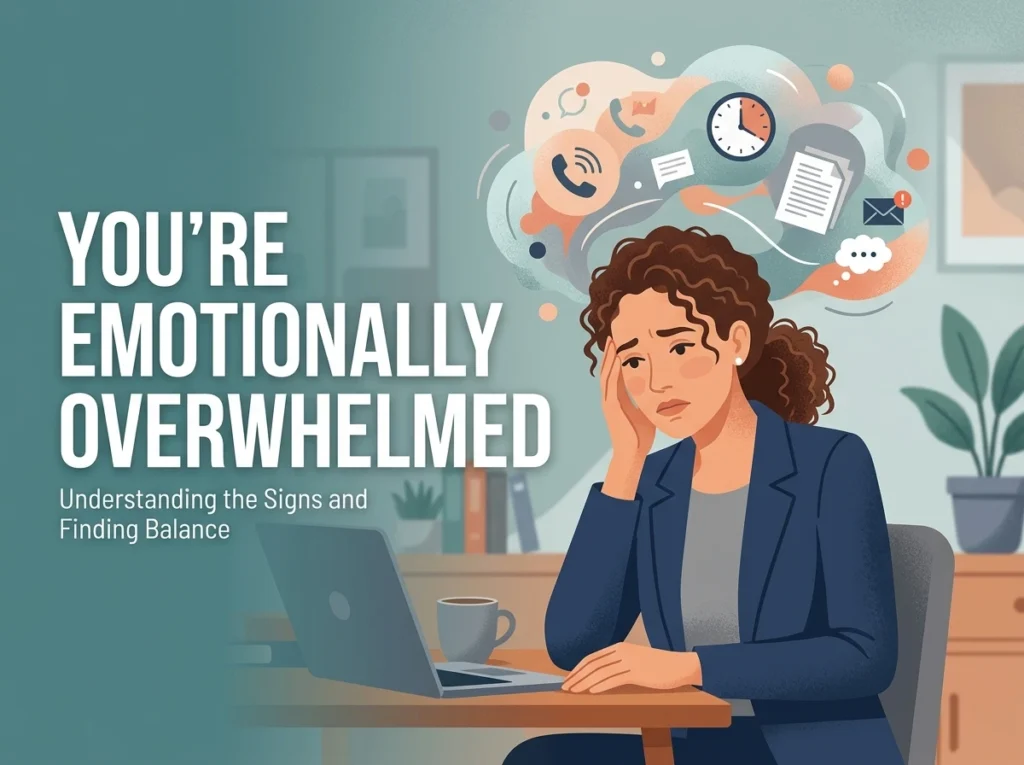
One of the most common reasons for drowning dreams is emotional overload. When life throws too much at you at once—work stress, relationship issues, personal responsibilities—your mind may process this through the metaphor of drowning.
Signs This Applies to You
- You feel constantly stressed or anxious
- You struggle to relax, even during downtime
- Your thoughts feel cluttered or chaotic
In real life, emotional overwhelm often builds gradually. You may not notice it at first, but your subconscious does. It captures the weight you’re carrying and translates it into a vivid, symbolic experience.
A Relatable Scenario
Imagine juggling deadlines, family expectations, and financial concerns all at once. During the day, you push through. At night, your dream reflects the truth: you feel like you’re sinking.
What This Dream Teaches You
This type of dream is a call to slow down. It’s reminding you that you can’t carry everything alone. Taking breaks, setting boundaries, and prioritizing self-care aren’t luxuries—they’re necessities.
Reason 2: You Feel Out of Control in Life
Drowning dreams often arise when you feel powerless or unable to influence a situation. Life might feel like it’s happening to you rather than for you.
Common Triggers
- Sudden life changes (new job, move, breakup)
- Situations where decisions are made for you
- Feeling stuck in circumstances you can’t escape
When control slips away, your subconscious uses water as a metaphor for unpredictability. You’re not just in the water—you’re at its mercy.
Mini Story
Think about someone navigating a toxic workplace. They feel trapped but can’t easily leave due to financial pressure. During the day, they suppress frustration. At night, they dream of being pulled under waves.
The Hidden Message
This dream is encouraging you to reclaim control—wherever possible. Even small actions, like making a plan or setting a boundary, can help you regain a sense of agency.
Reason 3: You’re Suppressing Deep Emotions
Not all emotions are easy to face. Sometimes we bury feelings like sadness, anger, guilt, or fear. But suppressed emotions don’t disappear—they accumulate beneath the surface.
How This Appears in Dreams
- Water rising unexpectedly
- Being dragged underwater
- Struggling but unable to cry out
These dreams reflect emotions that have been ignored for too long. The act of drowning symbolizes being consumed by what you’ve tried to avoid.
Everyday Example
You might be going through a difficult breakup but telling yourself you’re “fine.” You stay busy, distract yourself, and avoid reflection. But at night, your mind processes the truth—you’re overwhelmed by unexpressed grief.
What You Can Learn
This dream invites you to feel. Journaling, talking to someone you trust, or simply acknowledging your emotions can help release the pressure. Emotional honesty is the first step toward healing.
Reason 4: You Fear Failure or Not Measuring Up
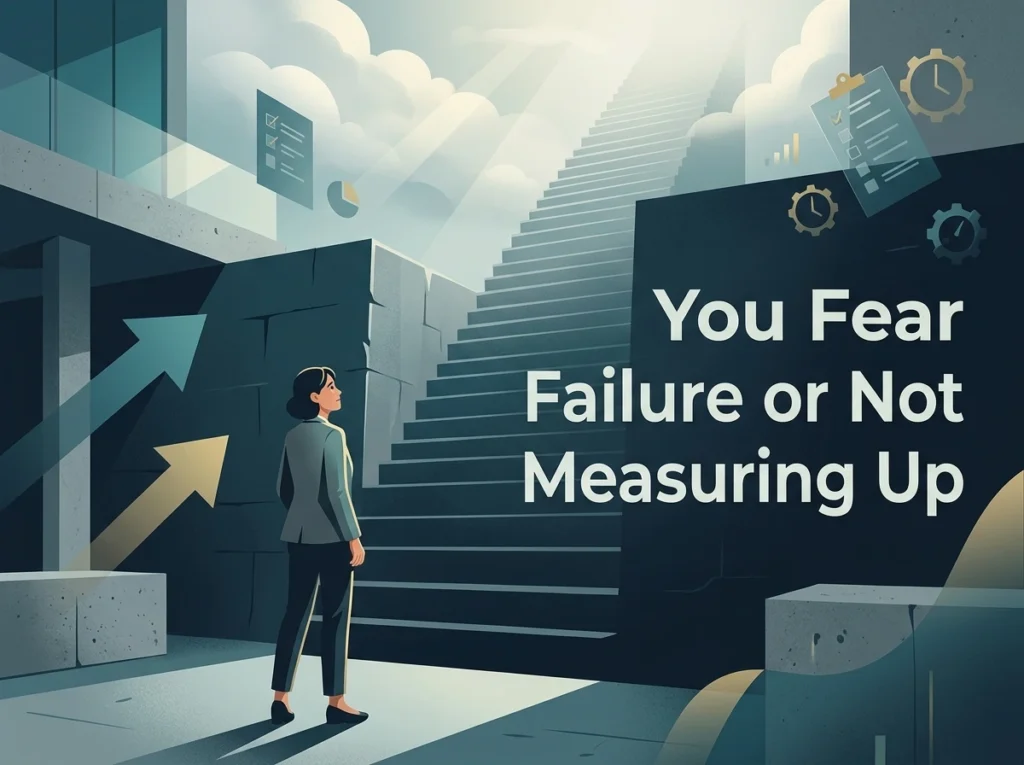
Drowning can also symbolize the fear of falling short—of not meeting expectations, whether your own or others’.
Where This Comes From
- High personal standards
- Pressure to succeed
- Fear of disappointing others
In this context, the water represents pressure, and drowning reflects the fear of being consumed by it.
A Common Situation
A student preparing for important exams might dream of drowning as deadlines approach. The fear of failure becomes so intense that it manifests as a physical struggle in dreams.
Deeper Insight
This dream highlights the need to redefine success. Perfection isn’t sustainable, and constant pressure can lead to burnout. Learning to accept imperfection and focus on progress can ease the emotional weight.
Reason 5: You’re Going Through a Major Life Transition
Transitions—whether positive or negative—can feel destabilizing. Even exciting changes can bring uncertainty and stress.
Examples of Transitions
- Starting a new job
- Moving to a new place
- Entering or leaving a relationship
During these periods, your sense of stability is shaken. You’re navigating unfamiliar territory, and your subconscious reflects this as being submerged in unknown waters.
Story Illustration
Imagine someone who has just moved to a new city. Everything is different—people, routines, environment. They may feel lost, even if the change is ultimately positive. Their dream of drowning reflects this adjustment period.
The Meaning Behind It
This dream isn’t just about fear—it’s about transformation. Water often symbolizes change, and being submerged can represent a process of becoming something new.
When Drowning Dreams Feel Recurring or Intense
If you frequently dream about drowning, it’s a sign that the underlying issue hasn’t been fully addressed.
Patterns to Notice
- The same setting or scenario repeating
- Increasing intensity of the dream
- Waking up with strong emotions
Recurring dreams are like persistent messages—they won’t stop until you listen. They highlight unresolved stress, emotions, or conflicts that need attention.
Instead of ignoring these dreams, try reflecting on them. Ask yourself: What in my life feels overwhelming or unresolved right now?
The Role of Stress and Anxiety in These Dreams

Stress is one of the biggest contributors to drowning dreams. When your mind is overloaded, it seeks ways to process and release that tension.
How Stress Manifests
- Feeling rushed or pressured
- Constant worry about the future
- Difficulty relaxing
Dreams become an outlet for this buildup. The intensity of drowning mirrors the intensity of your stress.
Practical Insight
Managing stress doesn’t require drastic changes. Small steps—like mindful breathing, taking breaks, or reducing commitments—can make a significant difference.
Different Variations of Drowning Dreams and Their Meanings
Not all drowning dreams are the same. The details matter.
Drowning Alone
This may reflect isolation or feeling unsupported.
Watching Someone Else Drown
You might be worried about someone close to you or feel helpless in helping them.
Being Rescued
This suggests hope and the presence of support in your life.
Escaping the Water
A positive sign—it indicates resilience and the ability to overcome challenges.
Each variation adds nuance to the interpretation, helping you understand your emotions more clearly.
Emotional Awareness: Turning Dreams into Insight
Dreams are like mirrors—they reflect what’s happening beneath the surface.
How to Build Awareness
- Keep a dream journal
- Note your emotions upon waking
- Connect dream themes to real-life situations
By paying attention to your dreams, you gain insight into patterns you might otherwise miss. This awareness allows you to address issues before they escalate.
Practical Steps to Regain Balance in Waking Life
Understanding your dream is just the beginning. Taking action is what creates change.
Simple Strategies
- Set boundaries to reduce overwhelm
- Prioritize rest and self-care
- Break large problems into smaller steps
- Seek support when needed
These steps may seem small, but they create a ripple effect. As your waking life becomes more balanced, your dreams often become calmer too.
Common Misunderstandings About Drowning Dreams
Many people assume drowning dreams are negative omens or predictions. This is rarely the case.
What They’re Not
- They’re not literal warnings of danger
- They’re not signs of failure
What They Are
- Emotional signals
- Opportunities for self-reflection
- Guides for personal growth
Understanding this can reduce fear and help you approach these dreams with curiosity rather than anxiety.
The Connection Between Dreams and Personal Growth
Drowning dreams, while uncomfortable, can be powerful catalysts for change.
They push you to confront what you’ve been avoiding. They highlight areas of imbalance. And most importantly, they encourage you to grow.
When you listen to these messages, you begin to understand yourself on a deeper level. You learn to navigate your emotions rather than being controlled by them.
Conclusion:
Dreams of drowning can feel intense, even frightening—but they are not your enemy. They are reflections of your inner world, revealing where you feel overwhelmed, out of control, or emotionally burdened. Whether rooted in stress, suppressed feelings, fear of failure, or life transitions, these dreams carry important messages that deserve your attention.