
You wake up, heart racing, fragments of a strange dream slipping through your fingers like sand. A familiar face appears where it shouldn’t be. You’re running, flying, or falling—yet nothing feels random. For a moment, you wonder: What was that trying to tell me? Dreams have always carried a sense of mystery, like whispered messages from a deeper part of ourselves. Whether vivid or vague, comforting or unsettling, they often leave us with lingering questions that follow us into the day.
In 2026, as people become more introspective and mindful of mental well-being, understanding dreams is no longer just curiosity—it’s a powerful tool for self-awareness. Dreams can reflect our fears, desires, unresolved emotions, and even hidden strengths. They don’t speak in plain language, but through symbols, emotions, and experiences that feel both personal and universal. This article explores the deeper meaning of dreams, helping you decode their hidden messages and apply their insights to your everyday life.
What Are Dreams and Why Do We Have Them?
Dreams are mental experiences that occur during sleep, often blending imagination, memory, and emotion into a narrative that feels surprisingly real. While science connects dreams to brain activity during REM sleep, their purpose goes beyond simple biology. Dreams act as a bridge between our conscious and subconscious minds.
Think of your brain as a storyteller. During the day, you gather experiences, emotions, and thoughts. At night, your mind reorganizes and processes them, sometimes turning them into symbolic stories. This process helps you make sense of unresolved feelings or situations.
From an emotional perspective, dreams serve as a release valve. Stress, excitement, fear, or even joy can find expression through dream scenarios. For example, someone feeling overwhelmed at work might dream of being chased or lost, while someone hopeful about the future might dream of flying.
Dreams also help with problem-solving. Many people report waking up with clarity after a confusing dream. It’s as if the mind works behind the scenes, offering solutions in symbolic form.
Understanding dreams begins with recognizing that they are not random—they are meaningful reflections of your inner world.
Symbols and Metaphors

Dreams rarely communicate in direct, literal ways. Instead, they rely on symbols—objects, people, or situations that represent deeper meanings. Learning this symbolic language is key to understanding dream messages.
For instance, water often represents emotions. Calm water might indicate peace, while turbulent waves may suggest emotional turmoil. Similarly, roads or paths can symbolize life direction or choices, while houses often reflect aspects of the self.
The challenge is that dream symbols are highly personal. A dog in one person’s dream may represent loyalty, while for someone else, it might symbolize fear due to past experiences. This makes dream interpretation more about self-reflection than fixed definitions.
Common Symbol Patterns
Falling
Often linked to a lack of control or fear of failure.
Flying
Represents freedom, ambition, or escape from limitations.
Being Chased
Indicates avoidance of a problem or fear in waking life.
Losing Teeth
Frequently associated with insecurity or fear of change.
By recognizing these patterns, you begin to understand how your subconscious communicates through imagery.
Emotional Clues: The Real Key to Interpretation
While symbols matter, emotions are the true language of dreams. The feeling you experience in a dream often holds more meaning than the events themselves.
Imagine dreaming of standing on a stage. If you feel confident, it may reflect readiness for recognition or growth. If you feel terrified, it could point to anxiety about being judged.
Dreams amplify emotions, making them easier to notice. They bring hidden feelings to the surface, even those we suppress during the day.
Why Emotions Matter More Than Details
A dream about losing something might seem negative, but if you feel calm, it could represent acceptance or letting go. On the other hand, a seemingly positive dream could reveal anxiety if the emotional tone is tense.
Practical Insight
When analyzing a dream, ask yourself:
- What did I feel during the dream?
- Do these emotions connect to my waking life?
- Where else have I felt this way recently?
By focusing on emotions, you uncover the real message behind the dream.
Recurring Dreams: Messages You Can’t Ignore
Recurring dreams are your mind’s way of insisting that something needs attention. These dreams repeat because the underlying issue remains unresolved.
For example, repeatedly dreaming about being unprepared for an exam might reflect ongoing anxiety about performance or self-doubt in real life. Similarly, recurring dreams of being chased may indicate persistent avoidance of a problem.
Why Do Dreams Repeat?
When your subconscious tries to process something important but doesn’t reach resolution, it replays the theme in different variations. It’s like your mind saying, “Pay attention to this.”
How to Break the Cycle
- Identify the common theme in the recurring dream.
- Reflect on what in your waking life might relate to it.
- Take action to address the issue, even in small steps.
Once the underlying emotion or problem is acknowledged, recurring dreams often fade or transform into more positive scenarios.
Fear as a Form of Communication

Nightmares can feel distressing, but they are not your enemy. They are intense messages from your subconscious, highlighting fears, trauma, or unresolved stress.
Instead of seeing nightmares as something to avoid, consider them as urgent signals. They often appear when emotions become too strong to ignore.
Common Nightmare Themes
Being Attacked
May reflect vulnerability or feeling threatened in real life.
Being Lost
Indicates confusion or lack of direction.
Falling from Heights
Represents fear of failure or losing control.
Transforming Nightmares into Insight
The key is not to suppress nightmares but to understand them. Ask yourself:
- What situation in my life feels overwhelming?
- What am I afraid of facing?
By confronting these emotions, nightmares can gradually lose their intensity and transform into more manageable dreams.
Dreams About People: Reflections of Relationships
Dreams involving people—friends, strangers, or even celebrities—often reflect aspects of your relationships or parts of yourself.
Interestingly, the people in your dreams don’t always represent themselves. They may symbolize traits, emotions, or dynamics you associate with them.
Familiar Faces
Dreaming of someone you know may reflect your current relationship with them or qualities they represent. For example, dreaming of a supportive friend might symbolize your need for encouragement.
Strangers
Unknown individuals often represent hidden aspects of yourself—qualities you haven’t fully recognized or accepted.
Ex-Partners
Dreams about exes are not always about longing. They often represent unresolved emotions, lessons, or patterns from past relationships.
Understanding these dreams helps you gain insight into your emotional connections and personal growth.
Lucid Dreaming: Taking Control of Your Dreams
Lucid dreaming occurs when you become aware that you are dreaming while still inside the dream. This awareness allows you to influence or even control the dream’s direction.
Imagine realizing mid-dream that you can fly—and then choosing to soar. Lucid dreaming opens the door to exploration, creativity, and even healing.
Benefits of Lucid Dreaming
- Overcoming fears by facing them in a safe environment
- Enhancing creativity and imagination
- Practicing real-life scenarios
How to Encourage Lucid Dreams
- Keep a dream journal
- Perform reality checks during the day
- Set intentions before sleep
Lucid dreaming turns passive experiences into active exploration, making dreams even more powerful tools for self-discovery.
Cultural and Personal Influences on Dreams
Dream meanings are shaped by both culture and personal experiences. Symbols that carry one meaning in a cultural context may differ in another.
For example, certain animals may symbolize luck in one culture and danger in another. Similarly, personal memories heavily influence dream imagery.
The Role of Personal History
Your unique experiences shape how you interpret dream symbols. A childhood memory, a recent event, or even a passing thought can appear in symbolic form.
Cultural Narratives
Cultural beliefs can influence how dreams are perceived—whether as spiritual messages, psychological processes, or creative expressions.
Understanding these influences helps you interpret dreams in a way that feels authentic and meaningful to you.
Dreams and the Subconscious Mind
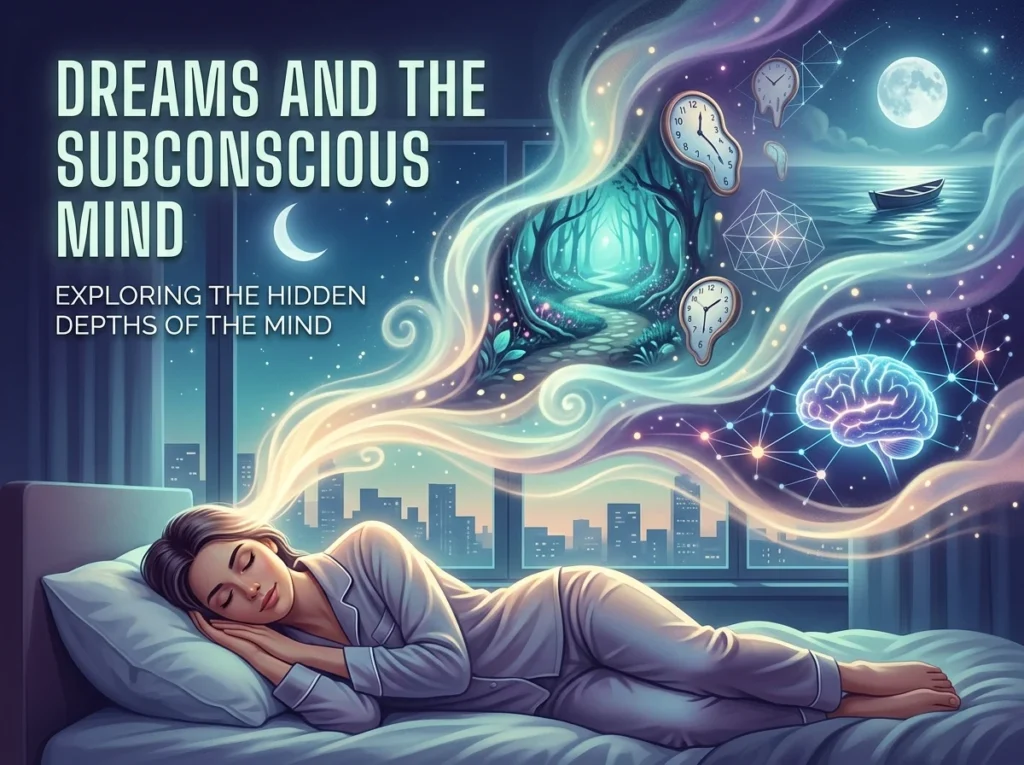
Dreams are often described as a window into the subconscious—the part of your mind that stores hidden thoughts, desires, and memories.
During waking life, the subconscious operates quietly in the background. But in dreams, it takes center stage, expressing itself freely without the filters of logic or social expectations.
What the Subconscious Reveals
- Hidden fears or anxieties
- Unacknowledged desires
- Suppressed emotions
For example, someone who avoids conflict may dream of intense arguments, revealing emotions they haven’t expressed.
Why This Matters
By paying attention to dreams, you gain access to insights that are not easily visible in daily life. This awareness can lead to personal growth, better decision-making, and emotional balance.
Practical Ways to Interpret Your Dreams
Understanding dreams doesn’t require expert knowledge—it starts with simple, consistent habits.
Keep a Dream Journal
Write down your dreams as soon as you wake up. Even small details can reveal patterns over time.
Look for Patterns
Notice recurring themes, symbols, or emotions. These patterns often point to underlying issues or insights.
Ask Reflective Questions
- What does this dream remind me of?
- How does it connect to my current life situation?
- What message might it be trying to convey?
Trust Your Intuition
Your interpretation matters more than generic meanings. Trust what feels true to you.
With practice, dream interpretation becomes a natural and insightful process.
Common Misunderstandings About Dream Meaning
Many people believe dreams have fixed meanings, like a universal dictionary. In reality, dream interpretation is far more nuanced and personal.
Myth: Every Dream Predicts the Future
Most dreams reflect internal states rather than external predictions.
Myth: Symbols Have One Meaning
Symbols vary depending on personal experiences and emotions.
Myth: Dreams Are Random
While they may seem chaotic, dreams often follow emotional and psychological patterns.
Understanding these misconceptions helps you approach dreams with clarity rather than confusion.
Real-Life Examples: Dreams in Everyday Situations
Dreams often mirror real-life situations in symbolic ways, offering insight into daily challenges.
Work Stress
A person overwhelmed at work dreams of drowning in water. This reflects emotional overload and a need for balance.
Relationship Conflict
Dreaming of arguing with a friend may indicate unresolved tension or unspoken feelings.
Life Transitions
Dreams about moving houses or traveling often symbolize change and personal growth.
These examples show how dreams translate real-life experiences into symbolic narratives that encourage reflection.
Turning Dream Insights into Real-Life Growth
Dreams are not just experiences—they are opportunities for growth. The real value lies in how you apply their insights to your waking life.
Identify the Message
What is the dream highlighting? Fear, desire, or something unresolved?
Take Small Actions
If a dream reveals stress, consider ways to reduce it. If it highlights a goal, take steps toward it.
Reflect Regularly
Make dream reflection a habit. Over time, you’ll notice patterns and deeper insights.
By acting on dream messages, you transform them from fleeting experiences into meaningful guidance.
Conclusion:
Dreams are more than nighttime stories—they are reflections of your inner world, filled with meaning, emotion, and insight. They reveal what you might overlook during the day, offering a deeper understanding of your thoughts, fears, and desires. Whether through symbols, emotions, or recurring themes, dreams gently guide you toward self-awareness.